









I spent six years in Canada, from the 12th grade until I graduated from the University of Victoria. It was an amazing experience, but it was also a very difficult time for me.
The challenge wasn’t just speaking English; it was also accepting the massive differences in eating habits and food portions. In fact, looking back, this drastic change in environment might have been one of the reasons I suffered from an eating disorder after returning to Japan.
I’m not sharing this to criticize life in Canada or to complain about how hard it was. Instead, I want to show you how deeply our environment and eating habits can influence our physical and mental health.
Here are three main points from my experience:
First, lunch was not considered a complete meal.
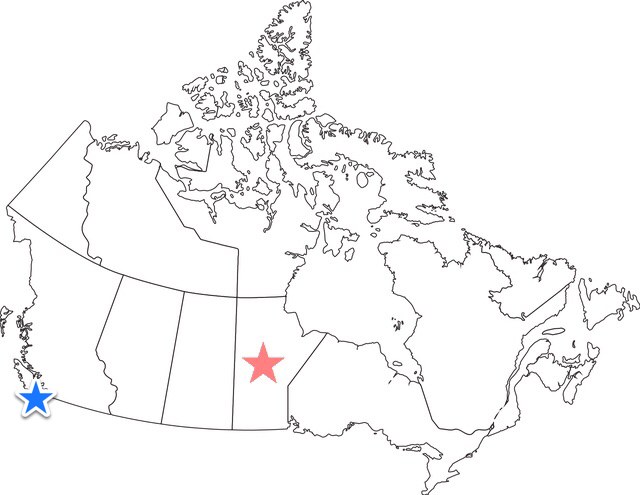
When I was an exchange student, I used to pack my own lunch to school, which was usually just jam sandwiches. But I was shocked to see that most students in Manitoba just ate potato chips while walking down the hallway.
It wasn’t just the students—even teachers had very light snacks like chips or brownies for lunch.
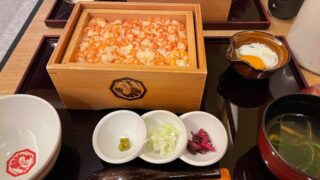
When I lived in Japan, my mother always made me a proper “Bento” with rice, fish, and cooked vegetables. In Canada, I was always starving, but there was nothing I could do.
Second, restaurant portions were overwhelmingly huge.
They always gave you a doggy bag to take home your leftovers because nobody could finish the food. Because of this, I completely lost track of how much I was supposed to eat. If I actually finished everything on my plate, I felt an intense guilt that I had eaten too much. I couldn’t understand why restaurants didn’t just serve a proper, normal amount for one person.
Third, there was a total lack of healthy snacks.
In Japan, you can easily find a convenience store and buy a healthy rice bowl or a small pudding at a reasonable price. However, when I was at university in Canada, there was no way to get healthy snacks. Instead, the only options available everywhere were giant muffins, doughnuts, scones, and sodas.
As you can see, the food environments in Canada and Japan were 180 degrees different. What I really want to tell you through this story is that an eating disorder is an illness that can happen to anyone.
If your daughter is currently suffering from an eating disorder and has recently gone through a major change in her environment, please take a moment to look at that. This could be a wonderful opportunity for you to sit down and gently talk with her about the hidden stress she might be facing from that new environment.
「言葉の壁」や「環境の孤独」を感じている、海外在住のお母様へ
この文章は、世界中の摂食障害に悩む方や、そのご家族へ向けて綴った私のメッセージです。
私は日本を拠点に、完全オンラインで活動する摂食障害専門カウンセラーです。
海外での暮らしの中で、お嬢様の変化に一人で悩み、現地の医療機関では言葉や文化の壁に圧倒され、心が折れそうになっていませんか?
海外生活の厳しさを肌で知っている私だからこそ、「環境」と「心」に寄り添ったサポートをお約束します。
完全日本語対応:細かいニュアンスまで安心してお話しいただけます。
時差への配慮:お住まいの地域の時間に合わせて調整可能です。
孤独な悩みを抱え込まず、まずは一度、摂食障害専門カウンセラー中村綾子にご相談ください。
↓↓↓